Column · @cruzlnzg040
How a Pizza Restaurant Delivers Comfort and Quality

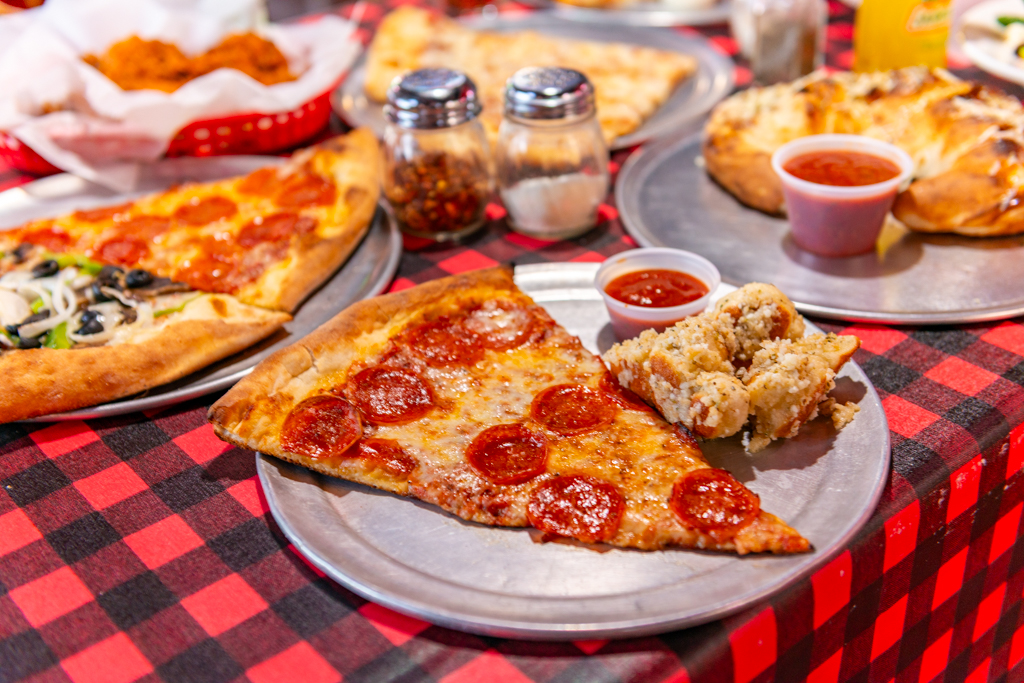

A good pizza restaurant does more than feed people. It gives them a place to exhale. That sounds simple until you look closely at what actually creates that feeling. Comfort is rarely one dramatic gesture. It is built from smaller decisions, many of them invisible when they are done well. Quality works the same way. Guests may notice the blistered crust or the fresh mozzarella first, but those final details rest on dozens of choices made long before the pie reaches the table.
Anyone who has spent time around restaurant operations knows that pizza occupies a special place in the dining world. It can be quick without feeling careless. It can be affordable without feeling cheap. It can serve a family with three generations at one table, a couple on a casual date, or a worker grabbing dinner after a late shift. That range is part of the reason people return to a pizza restaurant when they want something familiar and reliable. Familiarity, though, is not enough. If comfort is the promise, quality is the proof.
The most successful places understand that guests rarely separate the emotional and practical sides of hospitality. They do not think, “The room was comforting, but the product quality was inconsistent.” They simply decide whether they want to come back. A restaurant earns loyalty when the whole experience feels coherent, from the first smell near the front door to the last bite of crust dipped in sauce.
Comfort starts before the first slice
People often describe comfort in food terms, but a lot of it begins with environment. A pizza restaurant that delivers comfort knows how to manage sensory details with restraint. Lighting matters. It should be bright enough to make the food look alive, but not so harsh that every table feels exposed. Sound matters just as much. The room should have energy, not chaos. Guests want to hear conversation without straining, and staff need to communicate without shouting over the dining room.
Temperature is another detail that gets overlooked until it goes wrong. A pizza oven throws serious heat, especially during peak service. In a small dining room, that can turn pleasant warmth into discomfort quickly. Well-run restaurants anticipate this. They calibrate airflow, door movement, and kitchen separation because they know a room that feels stuffy can make even excellent food seem heavier than it is.
Then there is the smell. This is one of the great built-in advantages of a pizza restaurant. Baking dough, roasting garlic, simmering tomato sauce, and melting cheese create an immediate emotional signal. It is hard to beat. But even something as inviting as that can tip in the wrong direction if the balance is off. Burnt flour, stale fryer oil, or sanitizer drifting into the dining area can flatten the appetite fast. Cleanliness does not need to announce itself, but it absolutely needs to be present.
Seating has its own role in the comfort equation. Booths, two-tops, larger family tables, bar stools by the window, each serves a different kind of guest. What matters is not luxury for its own sake. It is whether the seating matches the pace and personality of the place. A neighborhood pizza restaurant with sturdy chairs, generous spacing, and tables that do not wobble often feels more comforting than a trendier room designed for photographs instead of real meals.
The menu should reassure, not confuse
Comfort does not mean boring, and quality does not mean showing off. The best pizza menus understand this distinction. Guests come in with some expectation of ease. They want options, but not an obstacle course. A menu that is overloaded with too many crust styles, too many sauce variations, and too many novelty toppings can create decision fatigue. That works against comfort.
A strong menu tends to have a clear center of gravity. There may be a classic margherita, a pepperoni pie that satisfies exactly as expected, and a few house combinations that reveal the kitchen’s point of view. Around those anchors, a restaurant can offer seasonal specials, regional influences, or premium ingredients. The trick is to make the range feel curated rather than scattered.
This is where experience shows. Operators learn that one guest’s idea of quality is ingredient purity, while another guest values consistency above all else. Some people want the same sausage and mushroom pizza every Friday night for ten years. Others want the chef to surprise them with burrata, hot honey, or local greens. A good pizza restaurant can serve both instincts if it keeps the foundation stable. Innovation works best when the basics are beyond question.
The same principle applies to dietary accommodations. Gluten-free crusts, dairy-free cheese, and vegetarian or vegan combinations matter to many guests. Offering them thoughtfully expands comfort because it lets more people participate fully at the table. But the quality bar has to stay high. Nobody feels cared for when the alternative option seems like an afterthought. If a restaurant cannot execute a substitute well, it is better to refine the offering before pushing it as equal to the house standard.
Dough is where quality quietly declares itself
People talk about toppings because toppings are easy to see. In practice, quality often begins with dough. This is where a pizza restaurant reveals whether it understands craft or merely assembles ingredients. Good dough demands patience, and patience costs money. It takes time to ferment, space to store, and skill to handle. Shortcuts exist, but guests can taste them.
A well-made crust carries flavor on its own. Even a plain edge should have character, with mild tang, wheat sweetness, and a texture that shifts from crisp exterior to airy interior. That kind of dough does not happen by accident. Hydration levels, fermentation time, flour choice, salt balance, and ambient temperature all matter. So does timing. A dough ball that is underproofed resists stretching and bakes dense. One that has overproofed can lose structure and color poorly in the oven.
These are not abstract concerns. They shape the guest experience directly. If a family orders two pizzas and the first has a beautifully open crumb while the second is flat and tight, the table feels the inconsistency even if nobody uses technical language. Quality is often sensed before it is explained.
There is also a practical side to dough quality that affects comfort. A balanced crust is easier to eat. It folds without collapsing. It holds toppings without going soggy in the center. It remains appealing even as it cools slightly. Those details matter more than many operators realize because pizza is rarely consumed at one perfect moment. People talk, pause, serve children, reach for another slice after a few minutes. A quality crust remains pleasant across that natural rhythm.
Sauce, cheese, and toppings need restraint
The common assumption is that more equals better. More cheese, more meat, more toppings, more drama. In reality, excess often works against both quality and comfort. Heavy pies can feel greasy, muddy, and exhausting halfway through. A pizza restaurant that prioritizes quality understands proportion.
Sauce should support, not drown. Whether it leans bright and acidic or slow-cooked and savory, it needs enough body to complement the crust without saturating it. Cheese should melt evenly and contribute richness without pooling oil across the surface. Toppings should be distributed with intention. Every slice should taste composed, not random.
One of the clearest signs of quality is whether a restaurant can stop before adding one ingredient too many. This takes discipline because abundance photographs well and can look like value from across the room. But genuine value is a pizza that stays balanced from first bite to last. Too much cured meat and the salt overwhelms. Too many vegetables and the moisture softens the crust. Too much cheese and everything else disappears.
This is where ingredient sourcing matters, though not always in the simplistic way people imagine. Local can be excellent, but only if the supply is consistent and the product is handled correctly. Imported ingredients can be wonderful, but they do not guarantee quality on their own. A smart kitchen knows when a domestic low-moisture mozzarella performs better for a particular style than a more expensive fresh cheese would. It knows that ripe summer tomatoes may be worth highlighting in season, while a carefully selected canned tomato delivers better results during colder months. Professional judgment beats marketing language every time.
The oven sets the personality of the restaurant
Every oven leaves a signature. Wood-fired ovens create fast, high-heat bakes with char, lift, and a certain theatrical appeal. Deck ovens offer control and consistency, often producing beautifully structured crusts in busy service. Conveyor ovens, while less romantic in the public imagination, can perform well for high-volume shops that prioritize speed and reliability.
Quality is not about using the trendiest equipment. It is about choosing a system that suits the style of pizza and then mastering it. Guests can tell when a restaurant understands its oven. The bake is even. The cheese is finished at the right moment. The underside has color without bitterness. Timing across multiple pies remains tight https://dallasbfde953.lowescouponn.com/how-to-find-a-pizza-restaurant-that-uses-fresh-dough-daily during a rush.
Comfort enters here too, though indirectly. Predictability is comforting. When a guest orders from a trusted pizza restaurant, there is a quiet expectation that the pie will come out the way it should. Not perfect in a sterile sense, but recognizably right. That consistency becomes part of the emotional bond between restaurant and customer. It is one reason neighborhood regulars forgive a wait on Friday night if they believe the kitchen will reward their patience.
Service translates quality into trust
A restaurant can use excellent ingredients and still fail to deliver comfort if the service feels cold, rushed, or inattentive. Pizza service has its own cadence. It is often more relaxed than fine dining, but that does not mean standards can slip. In some ways, casual formats demand stronger intuition because the style is less scripted. Staff need to read tables well. A family with small children needs efficiency. A group of friends watching a game may welcome a little more looseness. A solo guest at lunch often wants accuracy and speed above all.
Good service in a pizza restaurant is rarely theatrical. It is grounded. Water glasses are noticed before they are empty. Extra napkins appear when they are needed, not after someone asks. The server knows which pies can be modified without compromising the bake and which requests will produce disappointing results. That kind of honesty builds trust. Guests appreciate being guided when the guidance is useful and respectful.
There is also skill in handling volume gracefully. Pizza places often experience concentrated rushes, especially on weekends and during local events. The best teams prepare for these waves without letting the dining room feel frantic. Hosts set realistic wait times. Servers pace orders so appetizers and pizzas do not collide awkwardly. The kitchen communicates clearly when a large takeout order may affect ticket times for dine-in guests.
A small anecdote illustrates the point. At one busy neighborhood place, the staff used to tell waiting families exactly when the next dough batch would be ready if a certain style had sold through early. That transparency turned what could have felt like disappointment into confidence. Guests would often stay, order salads or drinks, and wait happily because they knew the answer was specific and honest. Comfort grows when people feel informed instead of managed.
Takeout and delivery are part of the promise now
For many customers, the primary experience of a pizza restaurant happens at home. That changes how comfort and quality must be delivered. A pie that shines in the dining room may struggle in a box if the restaurant has not adapted its methods. Steam softens crust. Long travel times flatten fresh herbs. Fried sides lose texture quickly. Quality, in this context, means understanding what travels well and designing for it.
Packaging matters more than people think. Venting can preserve crispness. Proper box sizing keeps toppings from sliding. Separate containers for dressings, chili oil, or finishing cheeses prevent sogginess and let guests complete the meal themselves. These details are not glamorous, but they are a major part of modern hospitality.
The handoff matters too. A takeout counter should feel organized and calm, not like an afterthought near the register. Delivery timing should be realistic. Overpromising and arriving late erodes comfort quickly, especially when families have built dinner plans around the order. Many restaurants learned this the hard way over the past several years. It is better to quote forty-five minutes and arrive in thirty-five than to promise twenty and show up at forty.
One practical truth deserves mention here: not every pizza style is ideal for every distance. Thin, crisp pies can lose their best qualities after a twenty-minute ride. Heavier pan pizzas often hold better. A quality-focused restaurant takes this into account. Sometimes that means recommending a different style for delivery than for dine-in. That is not upselling. It is operational honesty.
Comfort comes from rituals, not just décor
People return to the same pizza restaurant for reasons that go beyond appetite. Ritual is a powerful force in hospitality. Friday night pizza after soccer practice. A quick pie before a movie. The table by the window after church. The staff member who remembers that one guest likes extra basil and another wants the crust well done. These routines become part of a customer’s life, and restaurants that handle them with care occupy a rare place in the community.
This is where quality and comfort reinforce each other most deeply. Rituals survive because the experience can be trusted. If the food is erratic or the service unreliable, the habit breaks. But when the restaurant delivers steadily, it becomes woven into family memory. That kind of loyalty is not bought through branding alone. It is earned through repetition.
A well-run pizza restaurant often becomes a meeting point across age and background because pizza itself is so flexible. Children accept it easily. Teenagers claim it as social food. Adults appreciate the craft when it is there. Older guests value the accessibility and familiarity. Few restaurant formats bridge those groups as naturally. That broad appeal is one reason standards matter so much. When your customer base includes everyone from a six-year-old celebrating a birthday to a retired couple splitting a salad and pie at lunch, your margin for sloppiness gets smaller.
What guests notice, even when they do not say it out loud
Customers may not articulate every detail, but they register more than operators sometimes believe. They notice whether plates are chipped, whether the bathroom is clean, whether the host stand seems composed, whether the parmesan is fresh or stale. They notice if the soda tastes flat, if the beer glass is properly chilled, if the bench seat has crumbs tucked into the corners. None of these details alone defines a restaurant, but together they tell guests what the business values.
The same is true at the table. A pizza cutter that actually works, enough room for shared plates, napkins within reach, a server who asks whether guests want the pie cut into smaller slices for children, these are all forms of comfort. They reduce friction. Professional hospitality often looks like removing tiny annoyances before they accumulate.
Some of the strongest operators train staff to think in this way from day one. They do not frame quality only as food cost, recipe adherence, or speed of service. They teach that quality also includes the emotional temperature of the room and the practical ease of the meal. That mindset leads to better decisions in moments that cannot be scripted.
There is a financial side to all of this
Comfort and quality are not just artistic ideals. They are business disciplines. Better ingredients cost more. Skilled labor costs more. Slower fermentation ties up inventory space. More attentive packaging raises per-order expense. Thoughtful design, reliable maintenance, and ongoing staff training all require investment.
That creates real tension for any pizza restaurant trying to stay accessible. Pizza has long been associated with value, and many guests still expect generous portions at moderate prices. Operators have to balance those expectations carefully. Raise prices too aggressively and regulars may feel priced out. Hold prices too low while ingredient and labor costs climb, and the restaurant starts cutting corners where guests can eventually feel it.
The strongest businesses are transparent in their own way, even without making speeches about economics. They trim unnecessary complexity. They engineer menus around items that can be executed well and sold consistently. They avoid waste through disciplined prep rather than shrinking portions quietly. They choose where premium touches truly matter and where guests will not benefit from extra cost.
A smart restaurant might use exceptional pepperoni and a carefully milled flour while keeping the room simple and the beverage program compact. Another might invest in warm, polished service and broad family seating while limiting menu sprawl to protect kitchen quality. There is no single formula. What matters is coherence. Guests can sense when a business knows what it is trying to be.
The best places make quality feel effortless
That may be the highest compliment a pizza restaurant can earn. Not flashy, not trendy, not merely popular, but effortlessly good. The crust is right. The room feels easy. The staff seem present rather than performative. The meal satisfies both the practical need for dinner and the harder-to-define desire to feel looked after.
Comfort is not softness without standards. Quality is not luxury without warmth. In a great pizza restaurant, they meet in the same place. The guest experiences them as one thing: confidence. Confidence that the food will taste as it should, that the space will welcome them as they are, and that the people running the place understand the privilege of being part of someone’s routine.
That is why the category endures. When done well, pizza serves a function few other restaurant experiences can match. It is casual but not careless, familiar but not dull, efficient but still deeply human. A slice can be quick. A meal can stretch into an evening. A family can celebrate, a tired worker can recover, a neighborhood can gather. Comfort and quality, when treated seriously, make all of that possible.