Column · @cruzlnzg040
10 Signs You’ve Found a Great Pizza Restaurant


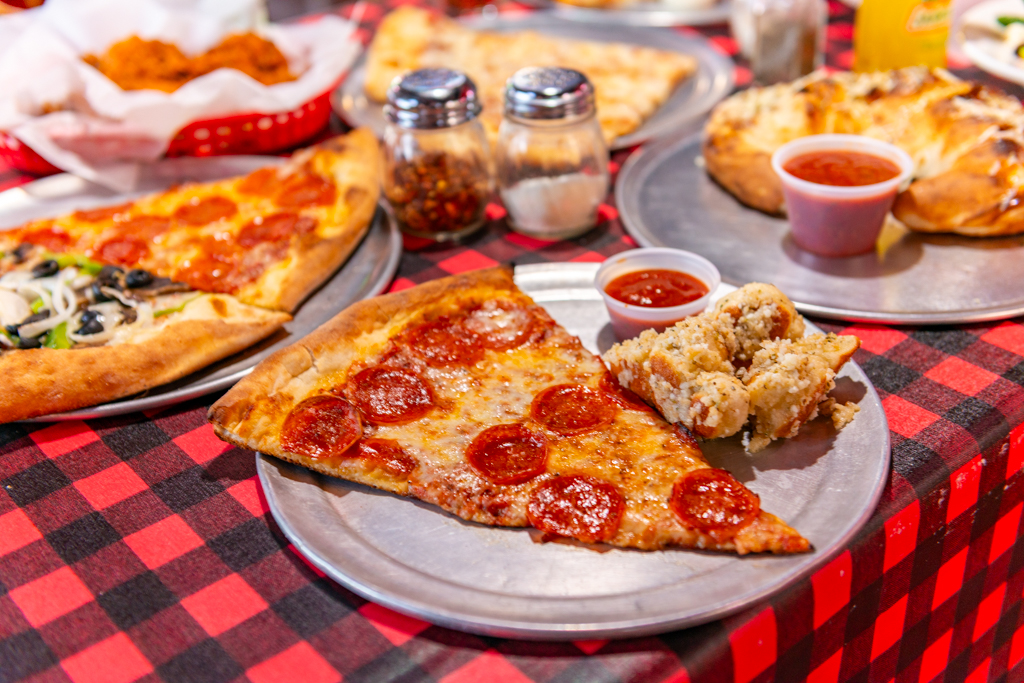
A great pizza restaurant announces itself long before the check arrives. You notice it in the air near the oven, in the way the staff moves around each other without friction, in the sound a crust makes when it lands on the table. Even before you take a bite, there are clues.
That matters because pizza is deceptively simple. Flour, water, tomatoes, cheese, heat. On paper, almost every menu looks promising. In practice, small choices separate a forgettable slice from the kind of pie you think about the next day. After years of eating pizza in big cities, small towns, beach communities, suburbs, and strip malls that looked far less promising than they should have, I have learned that the best places tend to reveal themselves in consistent, practical ways.
What follows are ten signs that you have found a pizza restaurant worth returning to, one that respects the craft and understands hospitality.
The dough has character, not just structure
The first serious sign is the dough. Not whether it is thin or thick, New York style or Neapolitan inspired, pan baked or tavern cut. Style matters less than execution. Great dough has a point of view. It tastes like something on its own.
When crust is excellent, you can eat the rim without reaching for ranch, hot honey, or a cup of marinara as a rescue device. It may be airy with big irregular holes, or tight and crisp with a crackly bottom, but it should have a developed flavor that suggests fermentation rather than rushed mixing. Even a simple cheese pie tells the truth here. If the dough tastes flat, bready, or oddly sweet, there is usually not much underneath to admire.
A well-run pizza restaurant understands timing. Dough needs rest. In many shops, that means at least a day of fermentation, sometimes longer. You do not need to interrogate the staff about hydration percentages to notice the result. You can taste it. Good dough has depth, a slight tang, a clean wheat flavor, and a texture that does not collapse into chewiness for the sake of chewiness.
I have had excellent pizzas from humble neighborhood spots using basic ingredients, but I almost never remember a pie with dull dough. Sauce and toppings can impress you for a moment. Dough determines whether the place deserves your loyalty.
The oven is treated like an instrument
You can learn a lot from the bake. Great pizza restaurants know their oven the way a good line cook knows a sauté pan. They understand hot spots, recovery times, how different pies behave at different temperatures, and when to rotate or pull a pizza before it goes from charred to bitter.
This is true whether the shop uses a wood-fired dome, gas deck oven, electric deck, or conveyor system. There is a strange snobbery around ovens that does not hold up in the real world. I have eaten remarkable pizza from old deck ovens and disappointing pies from beautiful imported wood-fired setups. Equipment matters, but judgment matters more.
Look at the underside if you can. It should show intention. On a crisp pie, you want color and structure, not a pale, steamed bottom. On a softer style, you still want enough bake to support the slice. Melt alone is not success. Plenty of mediocre pizzas look seductive when the cheese is still bubbling. The better test comes thirty seconds later, when a slice either keeps its shape or folds into a greasy blanket.
A great pizza restaurant also bakes to order, or at least as close to order as possible. You can tell when a pie sat too https://edwinzfyg101.ironwoodscope.com/posts/how-a-pizza-restaurant-adapts-to-changing-food-trends long. Cheese congeals, crust stiffens in the wrong way, and the whole thing loses vitality. Pizza is a food of momentum. The best places respect that.
The sauce tastes like tomatoes, not sugar
Tomato sauce is where many restaurants lose discipline. It is easy to hide weak tomatoes behind sugar, dried herbs, garlic powder, or too much salt. The better shops tend to show restraint.
A good pizza sauce should taste bright and balanced. Sometimes it is uncooked and very fresh. Sometimes it is lightly simmered and deeper in flavor. Either can work. What matters is whether the tomato still leads. You should be able to taste fruit, acidity, and natural sweetness, not a vague red paste effect.
There are regional exceptions, of course. Some styles lean sweeter, some more aggressively seasoned, some intentionally sparse. But even then, quality comes through as clarity. The flavors feel deliberate, not muddy. If the sauce dominates the pie, it should do so with confidence. If it plays a supporting role beneath the cheese, it should still contribute more than moisture and color.
One quick reality check I often use is the plain slice test. A pizza restaurant that can make a strong plain cheese pie is usually worth further exploration. If the place needs six toppings, a drizzle, and two finishing cheeses to create interest, that often means the fundamentals are not carrying their weight.
The cheese is used with restraint and purpose
More cheese is not the same thing as better pizza. In fact, excessive cheese is one of the fastest ways to bury texture and balance. A great pizza restaurant knows exactly how much cheese each style can carry.
On a New York style pie, the mozzarella should melt into a cohesive layer without turning the slice heavy or wet. On a Neapolitan style pizza, pockets of fresh mozzarella might be sparse by design, allowing the dough and tomatoes room to breathe. On a pan pizza, the cheese may brown deeply along the edges, creating those prized caramelized corners. Different styles call for different moves, but the principle remains the same: cheese should support the pie, not smother it.
Quality also shows in the melt and finish. Good cheese stretches, yes, but it also tastes clean. It does not leave a waxy film or break into pools of orange grease after two bites. Some grease is natural, especially with pepperoni or full-fat mozzarella, but there is a difference between richness and carelessness.
I once visited a pizza restaurant that everyone praised for its generous portions. The pies arrived looking enormous and impressive. Five minutes later, the center had flooded, the toppings were sliding off, and the crust had surrendered. Generosity is appealing until it ruins the engineering. Good pizza requires proportion.
The toppings make sense together
Toppings reveal whether a kitchen has self-control. Great places can absolutely be creative. They can use fennel sausage, roasted mushrooms, Calabrian chiles, clams, potatoes, anchovies, fermented honey, or seasonal greens. The question is not whether the topping list is classic or inventive. The question is whether the combinations feel considered.
A strong pizza restaurant avoids piling on ingredients just to justify a higher price. Every topping introduces moisture, salt, fat, and weight. Too many, and the pie turns chaotic. Great topping combinations create contrast and rhythm. Salty ingredients need something sweet, bitter, or acidic nearby. Rich meats benefit from heat or brightness. Delicate vegetables need to be cut and prepped in ways that help them survive the oven.
Even simple pepperoni tells you a lot. Is it placed in a way that cups and chars nicely, or dumped on with no regard for distribution? Do vegetables emerge with flavor, or are they half-raw and waterlogged? Are herbs added before the bake and burned, when they should have been finished fresh at the end? Details like these matter.
You do not need a chef's vocabulary to feel the difference. When toppings are done well, the pizza tastes composed. When they are not, the pie feels crowded and confused.
The menu shows confidence, not insecurity
One of the most reliable signs of a great pizza restaurant is a menu that knows what it is. That does not always mean small. Some places offer dozens of pies and handle them well. But the menu should still express confidence rather than panic.
If a restaurant serves pizza, burgers, sushi, fajitas, gyros, pasta, wings, breakfast platters, and thirty-two desserts, caution is reasonable. Breadth is not automatically bad, especially in family-run neighborhood spots that have adapted to local demand, but true pizza specialists usually make their priorities obvious. Their best offerings are easy to identify, and the kitchen is structured around them.
The strongest menus also show good editing. They make it clear which pies define the place. House specialties tend to have logic behind them. Seasonal items appear when they make sense, not because every restaurant now feels obligated to rotate limited-time offerings.
A confident pizza restaurant also does not try too hard to impress with language. You do not need a paragraph explaining that the basil is hand-torn or that the flour was milled under a full moon. Specifics are welcome when they are meaningful. Theater is less useful. In my experience, the best shops let the pie do the persuading.
The staff can answer simple questions without performance
Hospitality counts, and so does fluency. You can tell a lot from how the staff responds when you ask ordinary questions: Which pie is your bestseller? Is the crust crisp or more tender? Does this white pie eat heavy? Can you do half and half? Is there a long wait for dine-in?
At a strong pizza restaurant, the answers come quickly and naturally. Not rehearsed, not defensive, not vague. People who work there know what they serve. They can steer a first-time guest toward the right order. They can explain differences between styles. They can tell you when the kitchen is backed up without making the room tense.
That does not require formality. Some of the best guidance I have ever gotten came from a counter person in a loud local shop who simply said, "If it's your first time, get the plain and one white pie. That's what we're good at." Perfect. Honest, efficient, useful.
On the other hand, confusion at the front often points to confusion in the back. If nobody seems certain how the pizzas differ, which toppings are popular, or how long an order will take, the operation may not be tightly managed. Great restaurants do not need everyone to sound polished, but they do need people who are grounded in the product.
The room smells right and the tables turn with purpose
There is a sensory clue that experienced diners trust: the smell. A good pizza restaurant smells like toasted dough, warm tomato, browning cheese, maybe garlic and basil, maybe a faint coal or wood note depending on the oven. It should not smell overwhelmingly like stale fryer oil, bleach, or old grease traps.
The room itself also gives signals. Busy does not always mean good, but healthy traffic is encouraging, especially if you notice a mix of regulars, families, solo lunch guests, and takeout pickups. That mix suggests relevance. People rely on the place in different ways.
Watch how the dining room moves. Tables should turn steadily without feeling rushed. Pizzas should hit tables hot. Staff should be clearing and resetting with consistency. Water glasses getting ignored for twenty minutes is not fatal in a casual slice shop, but a general sense of drift usually reflects larger issues.
A favorite clue of mine is what people leave behind. At a truly good pizza restaurant, crusts disappear. Boxes come back to the table light. You see guests talking less once the pie arrives, because they are busy eating. That kind of silence is meaningful.
The shop handles peak hours without falling apart
Anyone can produce one beautiful pizza at 3:15 on a quiet Tuesday afternoon. The real test comes when the tickets pile up. Friday night, youth sports crowd, delivery drivers stacked near the host stand, phones ringing, ovens fully loaded. A great pizza restaurant may slow down under pressure, but it does not lose its standards.
This is where systems matter. Dough balls should already be at the right temperature for service. Sauce stations should be stocked. The cook stretching skins should move with economy, not panic. Expediters should know which pies are dine-in and which are for takeout, because a pizza that sits in a box too long can die before it reaches the customer.
Takeout performance is especially revealing. Pizza travels poorly when packed thoughtlessly. Great restaurants vent boxes when needed, stage orders intelligently, and know which pies hold up best. They understand that a crisp pie for dine-in may need slightly different handling for a fifteen-minute car ride.
Here are a few things I notice during busy service:
- Wait times are realistic, not optimistic.
- The quality of the plain pies stays consistent.
- Staff communicates delays before customers have to ask.
- Boxes are organized, labeled, and moving with intent.
- The final product still looks composed, not rushed.
A pizza restaurant that stays reliable under load has likely built a serious foundation. Consistency at volume is one of the hardest achievements in casual dining.
The regulars order simply
Regular customers are useful barometers. If longtime regulars keep ordering the house cheese pie, a slice and a soda, or the same classic sausage pizza every week, pay attention. That often means the basics are genuinely strong.
This is different from trend-driven places where the crowd mostly orders whatever looks best on social media. There is nothing wrong with visual appeal, and some famous spots earn every photo taken there, but a restaurant proves more when customers return for straightforward orders. It suggests trust.
I once spent several lunches near a busy neighborhood pizza restaurant where construction crews, office workers, and retirees all lined up for plain slices. Nobody appeared to be on a culinary pilgrimage. They were just feeding themselves. That kind of everyday demand is hard to fake. It usually means the restaurant has become part of local routine, and restaurants do not earn that status by being merely decorative.
Regulars also reveal service quality. When the staff greets people by name, starts their usual order, or knows how they like a pie cut, you are seeing a place that has built relationships over time. Repeat business is the most honest review a restaurant can receive.
You want to come back before you have finished eating
The final sign is the one that matters most. Halfway through the meal, you are already planning a return. Maybe next time you will try the white pie. Maybe you want to bring friends. Maybe you are mentally calculating whether they deliver to your neighborhood.
That instinct usually comes from balance. Nothing had to be perfect in a precious sense. Maybe the room was noisy. Maybe parking was annoying. Maybe your sleeve caught a streak of sauce. But the essentials were strong enough that small inconveniences faded into the background.
Great pizza restaurants create that pull because they offer more than novelty. They understand appetite, repetition, and comfort. They make food that can fit an ordinary weeknight as easily as a celebration. The best ones become part of people's lives, not just part of their dining history.
If you want a quick practical test for a new place, keep it simple on the first visit:
- Order a plain cheese pie or the closest equivalent.
- Add one classic topping pie if the group is larger.
- Eat at least one slice immediately at the restaurant.
- Notice what the crust tastes like on its own.
- Ask yourself whether the second slice was easier to eat than the first.
That last point matters. Great pizza has momentum. It invites another bite. Not because it is overloaded or flashy, but because it is balanced enough that your palate stays interested.
Finding a standout pizza restaurant does not require insider status or technical vocabulary. You do not need to know flour protein percentages or oven floor temperatures. You only need to pay attention to the clues that good operators leave in plain sight: flavorful dough, disciplined sauce, smart topping choices, steady service, and consistency when the room gets loud.
When those signs line up, the result is unmistakable. You are not just eating pizza. You are eating at a place that understands why pizza endures, why people crave it at every age, and why the right restaurant can turn something familiar into something memorable.